Understanding Roofing Challenges in Hackney
In Hackney, a historic area of London, roofing faces unique challenges attributed primarily to the region’s diverse weather conditions and urban setting. Periods of heavy rainfall and occasional harsh winters can put substantial strain on roofing materials. Moreover, the architectural variety, from Victorian terraces to modern apartment blocks, adds complexity to roofing needs. Each structure demands specific solutions, which must not only be effective but also sympathetic to the aesthetic qualities of the surrounding environment.
The urban landscape of Hackney, with its closely packed buildings, also presents logistical challenges during roof repairs or replacements. Access issues can lead to delays and increase labour costs, especially in densely populated areas or streets with limited parking. Such factors make it essential for homeowners and contractors to plan roofing projects meticulously, ensuring all logistical issues are addressed beforehand to minimise disruption.
Furthermore, environmental pollutants common in urban areas like Hackney can accelerate the wear and tear on roofing materials. The deposition of residues from vehicle exhausts and industrial activities can reduce the lifespan of a roof if not properly managed. Regular maintenance and the selection of durable, pollution-resistant materials become crucial in prolonging the roof’s lifespan and ensuring it continues to provide necessary protection against the elements.
Choosing the Right Roofing Materials
Choosing the right materials is pivotal for any roofing project in Hackney. The ideal materials should not only withstand the local climatic conditions but also complement the architectural style of the building. Slate and tile are popular choices due to their durability and ability to fit seamlessly with the area’s many historic properties. These materials are known for their longevity and can offer a classic aesthetic that enhances the property’s value.
For more modern properties, materials such as reinforced bitumen membranes or liquid roofing systems might be more appropriate. These materials offer flexibility, are less disruptive during installation, and provide excellent waterproofing qualities. They are particularly suitable for flat roofs, a common feature in newer residential blocks and commercial buildings in Hackney.
Green roofing is another option gaining traction in the area, offering environmental benefits such as improved insulation, reduced urban heat island effect, and support for local biodiversity. Green roofs are not only functional but also aesthetically pleasing, aligning well with the increasing environmental consciousness among Hackney residents. They do, however, require careful planning and maintenance, so it’s essential to consider the added responsibilities before opting for this solution.
Step-by-Step Guide to Roof Inspection
A thorough roof inspection is crucial to identify potential issues before they escalate into major problems. Start by examining the roof from the ground. Look for signs of sagging, misaligned tiles, or overall unevenness. Binoculars can be helpful to get a closer look at hard-to-see areas. This initial step helps in assessing the urgency of maintenance required.
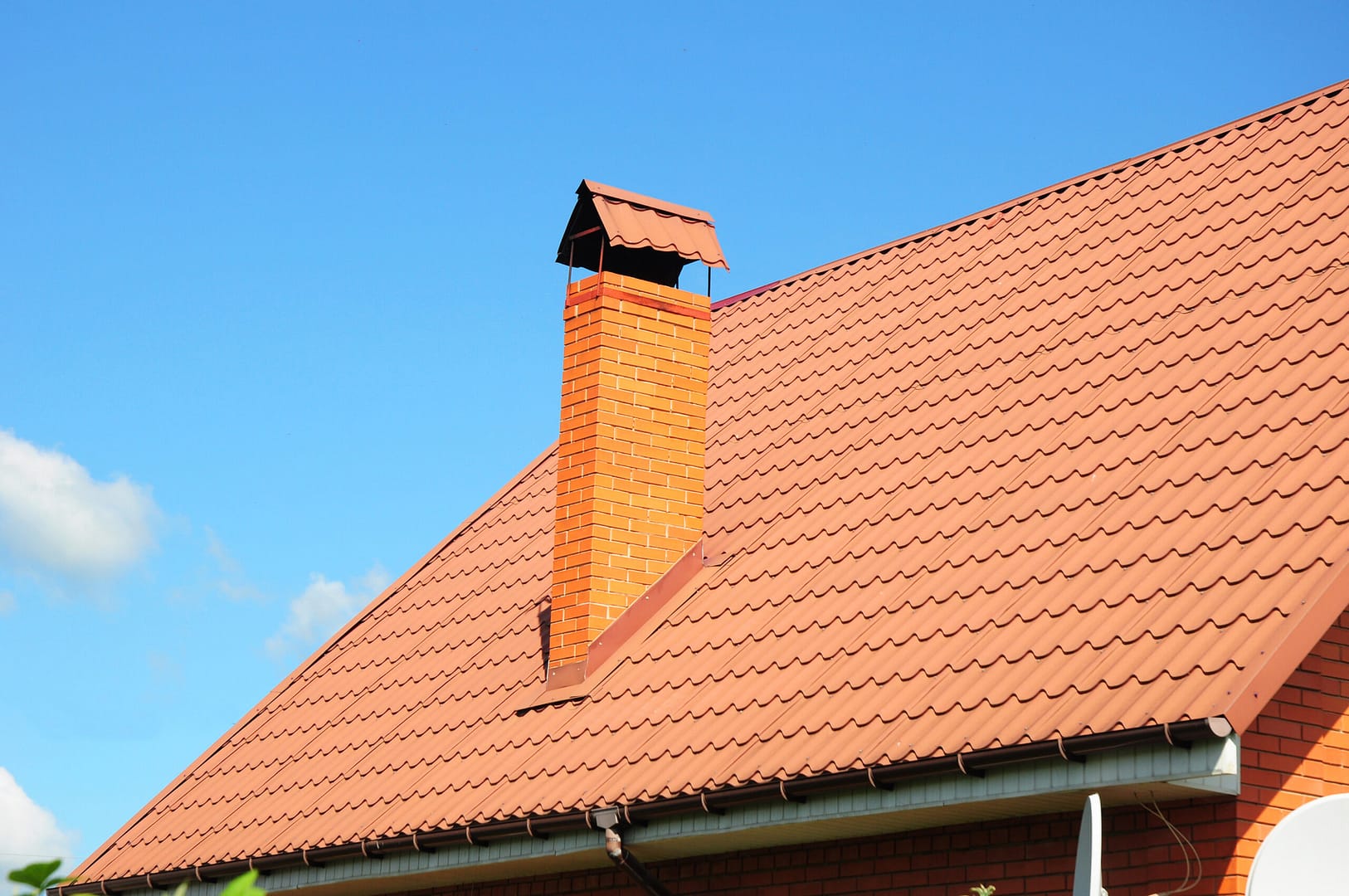
Next, if safe access to the roof is possible, inspect the roof up close. Check for cracked, broken or missing tiles, and any signs of wear around the chimney stacks, skylights, and other penetrations. This includes looking at the flashing for signs of damage or inadequate sealing that could lead to leaks.
Finally, inspect the guttering and downpipes for blockages or signs of wear and tear. Ensuring that water can flow freely from the roof and away from the building is critical to preventing water ingress and damp, which can cause severe structural damage over time. It’s recommended to perform roof inspections biannually, with additional checks following extreme weather events.
Common Roofing Issues Faced by Hackney Homes
One of the most common roofing issues in Hackney includes leakage, particularly after or during heavy rainfall. This problem often stems from damaged tiles or inadequate flashing around roof connections and entries. Over time, these issues can lead to significant water damage, including rotting in wooden roof structures and mould growth in internal ceilings and walls.
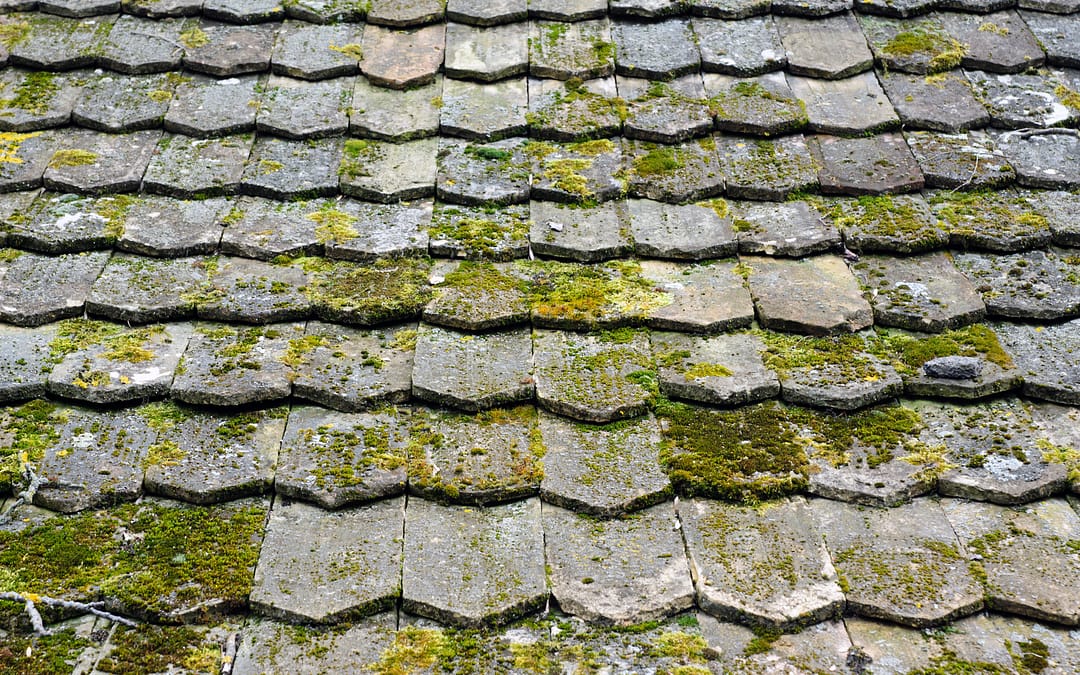
Moss growth is another frequent concern, particularly on north-facing or shaded roofs that remain damp for extended periods. Moss can retain moisture against the roofing material, accelerating decay and potentially blocking gutter systems, which further exacerbates moisture problems.
Lastly, wear and tear due to age or environmental factors like pollution can weaken roofing materials, making them more susceptible to damage from storms or heavy winds. For properties in Hackney, where the architectural integrity often hinges on older, more vulnerable structures, this can be a particularly pressing issue, necessitating regular inspections and maintenance.
DIY Roof Repairs: What You Need to Know
For the competent DIY enthusiast, small-scale roof repairs can be a practical way to address minor issues such as replacing a few broken tiles or clearing gutters. It’s important to prioritise safety by using a sturdy ladder, having someone to assist, and wearing appropriate safety gear. Additionally, understanding the structure of your roof and the materials involved is crucial to prevent any unintentional damage during your repair efforts.
However, it’s essential to be realistic about the limits of DIY repairs. Complex issues such as re-flashing around chimneys or repairing damage that spans large areas of the roof should be left to professionals. These tasks often require specialised tools and skills to ensure they are done safely and effectively.
Additionally, for those living in listed buildings or within conservation areas in Hackney, there may be restrictions on the types of repairs and materials you can use. In these cases, even minor repairs might require consultation with local council authorities or hiring professionals familiar with historic preservation requirements.
When to Call a Professional Roofer
While DIY repairs are suitable for minor issues, there are circumstances when calling a professional roofer is necessary. If you notice widespread damage, such as extensive leaking, large areas of missing tiles, or significant structural sagging, these are clear indicators that professional help is needed. Such issues can compromise the structural integrity of the roof and, by extension, the safety of the building’s occupants.
Professional roofers have the expertise and equipment to diagnose and effectively address complex roofing problems. They can also offer warranties on their work, providing you with peace of mind. Additionally, hiring a professional can be more cost-effective in the long run, as they are more likely to get the job done right the first time, preventing further damage and additional repairs.
Moreover, professional roofers are knowledgeable about the local regulations and building codes in Hackney. Hiring an expert ensures that all work carried out is compliant with local standards, avoiding potential legal issues and fines that can arise from non-compliant DIY repairs.
Navigating Roofing Regulations in Hackney
In Hackney, as in any part of the UK, building and renovation works, including roofing, must comply with national Building Regulations as well as any local planning requirements. For instance, if your property is listed or located within a conservation area, you will need to seek specific permissions before commencing any roofing work. This is to ensure that any modifications do not adversely affect the character or fabric of historically significant structures.
Additionally, for new roofing or major repairs, compliance with the UK’s environmental regulations, such as ensuring adequate insulation and ventilation, is essential. These measures are not only regulatory but contribute significantly to the energy efficiency of your home, reducing heating costs and environmental impact.
It’s advisable to contact Hackney Council or consult with a professional roofing contractor who understands local regulations and procedures. They can assist in securing any necessary permits and ensuring that all work complies with the relevant safety and building standards. Failure to comply can result in fines and require potentially expensive corrective work.
Future-Proofing Your Roof Against Extreme Weather
The impact of climate change and the increasing frequency of extreme weather events mean that future-proofing roofs in Hackney is more important than ever. Choosing materials and design elements that can withstand high winds, heavy rainfall, and other severe conditions is essential. This might include installing heavier-duty tiles, reinforced flashing, and systems to manage increased rainfall.
Additionally, incorporating sustainable features such as solar panels or green roofs can not only help mitigate environmental impacts but also provide added insulation and water management benefits. These features can make homes more resilient while also contributing to lower utility bills and increased property value.
Regular maintenance remains one of the most effective strategies for future-proofing your roof. Periodic inspections and addressing minor issues promptly can prevent major damages and extend the life of your roof. With careful planning and consideration, your roofing system can be both durable and environmentally responsive, ready to face future challenges.