Introduction to Roof Replacement in London
Roof replacement in London is a critical venture for maintaining the structural integrity and value of properties in this historic yet cosmopolitan city. The unique architectural diversity, from Victorian terraces to modern flats, necessitates a tailored approach to roofing solutions. Given London’s variable climate, from harsh winters to humid summers, ensuring your roof is not only aesthetically pleasing but also robust and weather-resistant is crucial.
Replacing a roof is not merely a maintenance task; it is a long-term investment in your property. A new roof enhances curb appeal, improves energy efficiency, and increases the resale value of your home. Beyond the immediate visual uplift, it provides peace of mind, knowing that your home is protected against the elements and that you are in compliance with local building standards.
Understanding the scope and significance of a roof replacement project is essential for any homeowner or property manager. This guide aims to navigate through the complexities of roof replacement in London, providing practical insights from assessing the condition of your current roof to maintaining the new one, ensuring you make informed decisions throughout the process.
Assessing Your Roof: When to Consider Replacement
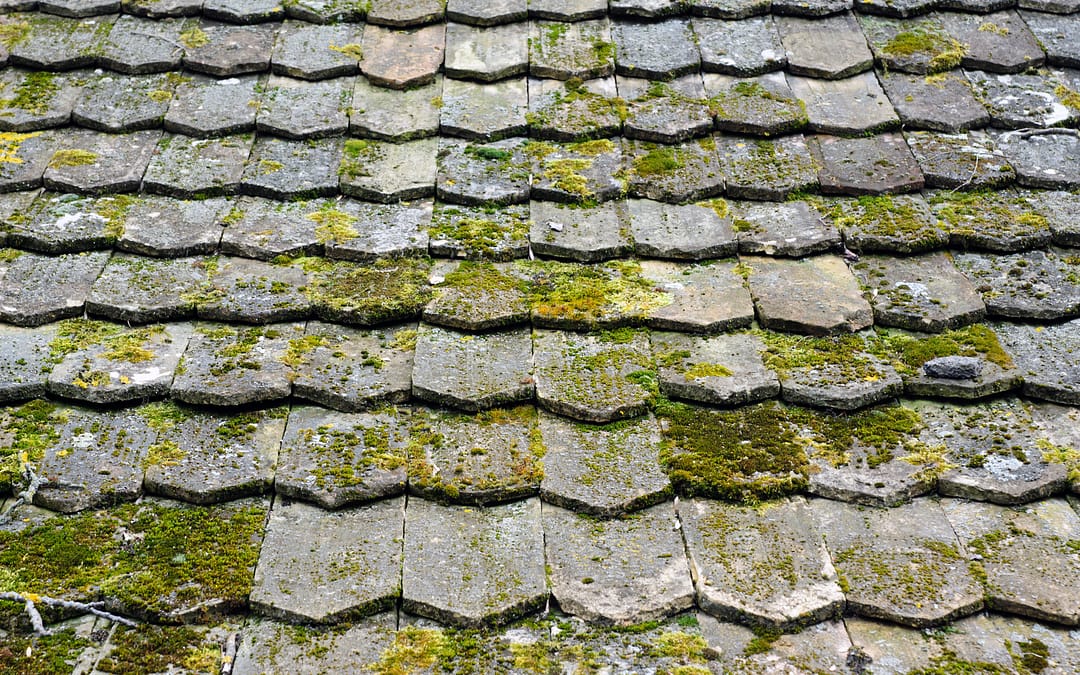
The decision to replace a roof should not be taken lightly. It typically comes after regular inspections indicate irreparable wear or damage. Signs that a roof may require replacement include persistent leaks, significant tile damage, or structural sagging. In London, the age of many residential buildings means that roofs may be nearing the end of their functional lifespan, necessitating a thorough assessment.
Periodic evaluations by a professional can help determine the extent of damage and the urgency of a roof replacement. It’s advisable to schedule these inspections at least twice a year, especially after extreme weather conditions, which are common in London. Additionally, if you are renovating an older property, assess the roof as part of the renovation process to ensure consistency in safety and design.
Ignoring signs of roof deterioration can lead to more severe consequences, including increased energy costs, water damage, and mould growth within your property. Early detection and proactive replacement can thus save homeowners significant money and hassle in the long term.
Understanding Roofing Materials and Options
In London, the choice of roofing materials must reflect both the architectural style of the building and its functional requirements. Common materials include slate, which is popular for its durability and aesthetic appeal; clay tiles, which suit the traditional designs of many London homes; and modern alternatives like fibreglass or rubber roofing, known for their cost-effectiveness and ease of maintenance.
Each material offers distinct advantages. For instance, slate roofs are known for their longevity, often lasting over a century with proper maintenance, while clay tiles provide excellent thermal properties, keeping homes cooler in the summer and warmer in winter. Alternatively, synthetic options like fibreglass are resistant to rot and moisture, making them particularly suitable for London’s occasionally wet climate.
When selecting materials, consider their environmental impact, durability, and compatibility with London’s diverse architectural heritage. It’s also crucial to balance upfront costs against long-term benefits, such as energy savings and maintenance requirements, to make a choice that offers both value and performance.
Navigating London Building Regulations for Roofs
Adhering to London’s building regulations is non-negotiable when replacing a roof. These rules ensure safety, energy efficiency, and aesthetic consistency in line with the city’s heritage and modern demands. For instance, specific areas within London require planning permission before carrying out roofing works, especially if the building is listed or located in a conservation area.
Understanding these regulations can be complex, thus consulting with a knowledgeable contractor or architect during the planning stage is crucial. They can guide you on matters such as the maximum allowable roof height, materials, and insulation requirements, which are designed to meet thermal and acoustic standards mandated by local councils.
Failure to comply with these regulations can result in legal challenges and costly penalties, not to mention delays in your project. Therefore, ensuring that all roofing work is compliant from the outset is essential for a smooth and successful roof replacement process.
Selecting the Right Roofing Contractor
Choosing a reputable roofing contractor is pivotal to the success of your roof replacement project in London. Look for contractors with specific experience in dealing with London’s varied housing stock. Certifications and memberships in professional bodies like the National Federation of Roofing Contractors (NFRC) can also indicate a level of professionalism and adherence to industry standards.
Before settling on a contractor, it is advisable to review past projects, check references, and confirm that they hold the necessary insurance and warranties to protect your investment. A trustworthy contractor should provide a clear, detailed quote and project timeline, helping you understand every aspect of the job from start to finish.
Furthermore, good contractors will help navigate the maze of local building regulations, obtain necessary permits, and ensure all work meets legal standards. Their expertise can be invaluable, particularly when dealing with complex planning permissions or heritage conservation specifications.
Cost Estimates and Budgeting for Roof Replacement
The cost of replacing a roof in London can vary widely depending on the size of the roof, chosen materials, and structural considerations. General price ranges might start from several thousand pounds for smaller projects, escalating for larger or more complex installations. Remember, investing in higher-quality materials can lead to longer roof life and reduced maintenance costs, providing better long-term value.
When budgeting for your roof replacement, include costs for materials, labour, waste disposal, and any necessary scaffolding. It would be wise also to set aside a contingency fund of around 10-20% of the total cost to cover unexpected issues once the project is underway.
Careful financial planning and obtaining multiple quotes from contractors can help ensure that you get the best value for your money. Consider the benefits of comprehensive warranties and maintenance agreements as part of your overall budget, as these can significantly enhance the lifespan and performance of your new roof.
Steps Involved in the Roof Replacement Process
The roof replacement process in London begins with the removal of the old roof. This step must be handled carefully to avoid damage to the building structure or neighbouring properties. The contractor will then assess the underlying roof structure to ensure it is sound and make any necessary repairs.
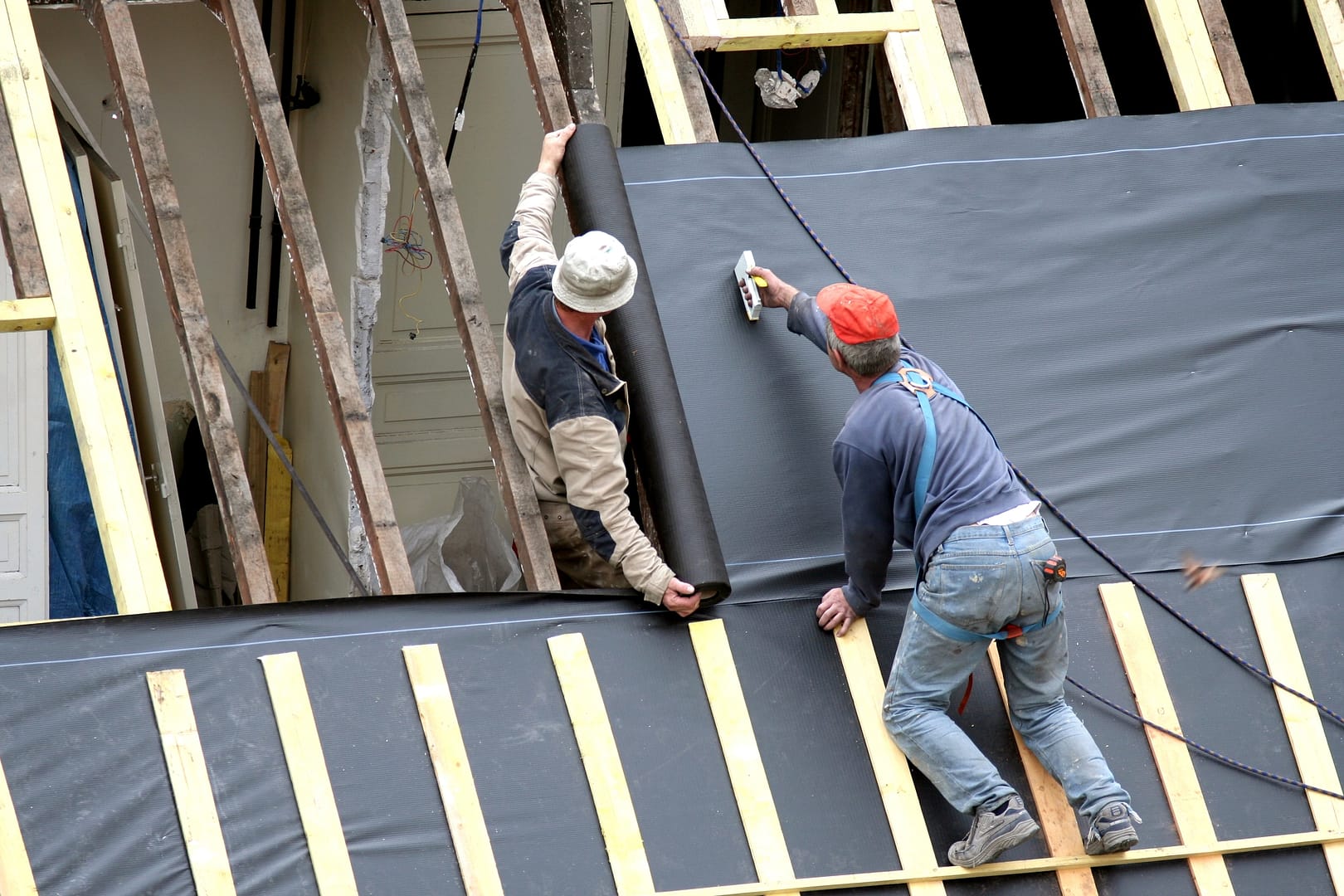
Following this, the installation of the new roof takes place. This includes laying down roofing felt or other underlayments to protect against moisture, followed by the installation of the new roofing material. Each material requires specific techniques and tools, which experienced contractors will be proficient in handling.
Finally, finishing touches such as installing gutters, flashing, and ensuring proper ventilation are completed to ensure the roof’s functionality and compliance with building codes. Throughout this process, regular inspections should be carried out to ensure that the installation meets the high standards expected in London housing.
Maintaining Your New Roof: Tips and Best Practices
Once your new roof is installed, maintaining its condition is essential to maximise its lifespan and efficacy. Regular inspections, especially after severe weather, can help identify and address minor issues before they escalate into major problems. It’s also sensible to keep gutters and downspouts clean to prevent water build-up that can lead to leaks and structural damage.
Consider scheduling professional maintenance checks annually. These checks can help ensure that any potential vulnerabilities are addressed promptly and can significantly extend the life of your roof. Additionally, being aware of common issues such as moss and algae growth, and knowing how to deal with them effectively, can also preserve the aesthetic and functional qualities of your roof.
Finally, ensure you understand the terms of any warranties offered by your roofing contractor. These often cover materials and workmanship and can provide peace of mind. Knowing what your warranty covers and how to make a claim can save you considerable time and expense should any problems arise.