Introduction to Roof Replacement in London
Roof replacement in London is a crucial undertaking for maintaining the structural integrity and aesthetic appeal of properties in this historic yet ever-evolving city. The unique architectural diversity, from Victorian terraces to modern flats, demands a comprehensive understanding of roof replacement processes. This guide provides property owners with essential insights into navigating this complex task, ensuring that their investments are protected and enhanced. Replacing a roof not only safeguards against weather-related damages but also significantly boosts the property’s market value and energy efficiency.
In London, the decision to replace a roof involves considering various factors including the age of the roof, the materials used, and the prevailing weather conditions. The process is not merely a maintenance activity but a long-term investment into the property’s future. Understanding the scope of roof replacement can help property owners manage their expectations and plan financially and logistically for this significant home improvement project.
Given the potential complexities involved in roof replacement in London, including adherence to local building regulations and the selection of suitable materials that complement the city’s aesthetic and climatic needs, this guide aims to equip homeowners with the knowledge needed to make informed decisions. From choosing the right contractor to understanding the detailed steps of the project, this guide covers all necessary aspects to ensure a successful roof replacement.
Understanding Roofing Materials and Options
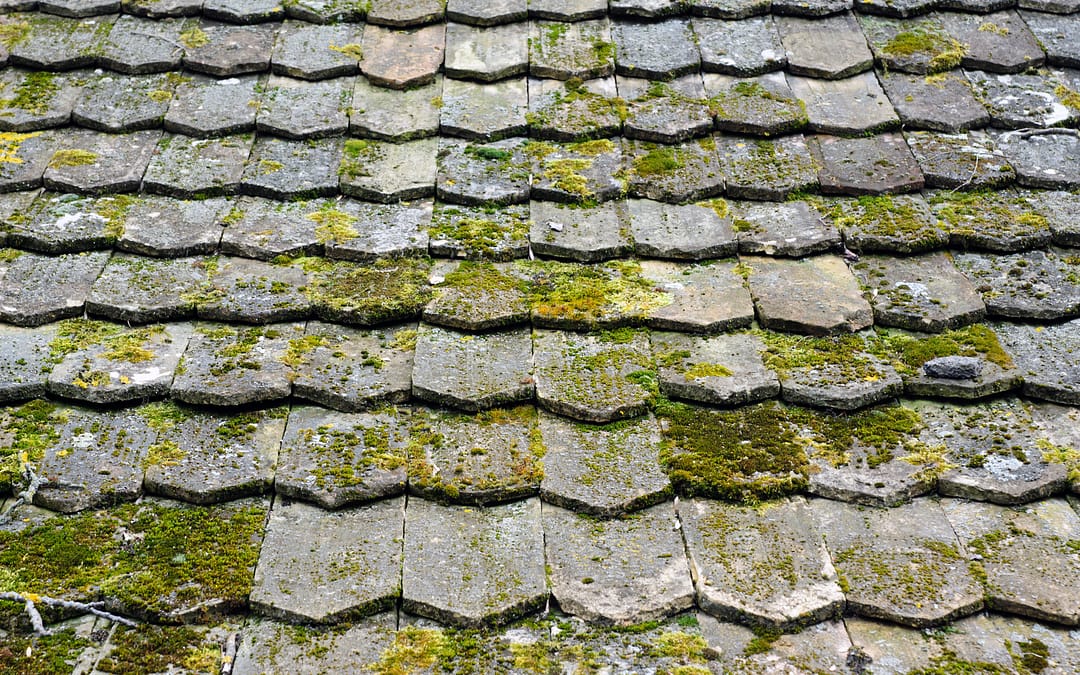
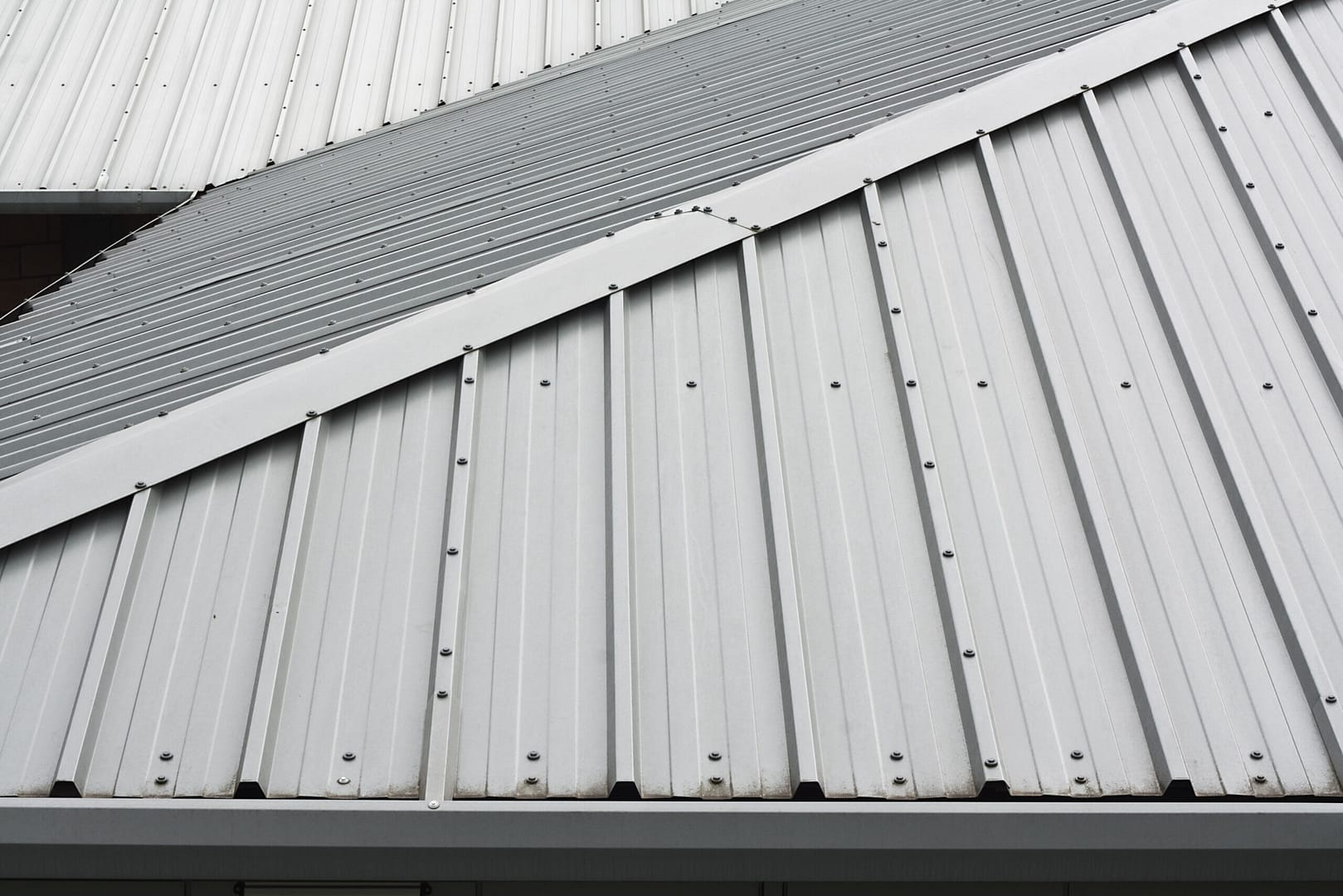
The choice of roofing materials is pivotal in determining the longevity, durability, and appearance of your new roof. In London, popular options include slate, which is renowned for its natural appearance and longevity, and clay tiles, which suit the traditional aesthetic of many London homes. Modern materials such as fibreglass, metal roofing, and synthetic tiles also offer advanced benefits such as increased energy efficiency, lower maintenance, and greater resistance to London’s variable weather conditions.
Each roofing material comes with its own set of advantages. Slate and clay tiles are incredibly durable and can last for decades if properly maintained. They are also fire-resistant and provide a classic look that enhances the property’s curb appeal. On the other hand, materials like fibreglass and metal are lightweight, making them suitable for structures that cannot support the weight of heavier materials. These contemporary options also reflect UV rays and help in reducing heating and cooling costs.
When selecting roofing materials, it is also important to consider the environmental impact. Eco-friendly roofing options, such as green roofs, are becoming increasingly popular in London. These roofs are not only visually striking but also promote biodiversity and can help in managing rainwater runoff, a significant benefit in urban areas like London where flooding can be a concern. Understanding the full range of materials and their benefits will allow you to make the best choice for your property’s needs and environmental considerations.
Step-by-Step Guide to Assessing Your Roof
Before embarking on a roof replacement project, a thorough assessment of the existing roof is essential. This evaluation should start with a visual inspection to identify any signs of wear and tear such as cracked tiles, sagging, or leakage. It is advisable to hire a professional roofing contractor to perform this inspection as they can spot less obvious damage and provide a more accurate assessment.
The next step involves checking the roof structure’s integrity. This includes examining the attic or the underside of the roof for any signs of water damage, rot, or mould. These issues can compromise the roof’s structure and need to be addressed immediately. The assessment should also include checking the insulation and ventilation systems to ensure they are functioning correctly, as these play a critical role in the roof’s overall performance and the home’s energy efficiency.
Finally, consider the age of your roof. Roofs typically have a lifespan, which varies depending on the material used. If your roof is nearing the end of its expected life, it might be more cost-effective to replace it rather than invest in extensive repairs. A professional roofer can provide guidance on whether a repair or a full replacement is the most practical solution based on the condition of your roof and your long-term property maintenance goals.
Navigating London’s Roofing Regulations
London’s roofing projects must comply with a range of local building regulations designed to ensure safety, sustainability, and aesthetic harmony. These regulations cover everything from the materials used to the methods of installation. For instance, in conservation areas or on listed buildings, there are stringent guidelines on the types of materials that can be used in order to preserve the historical integrity of the area.
It is also crucial to be aware of the need for planning permission in certain cases. While most roof replacements are considered to be permitted development, meaning they do not require planning permission, exceptions exist, particularly if the building is listed or located in a designated area. Failure to comply with these regulations can result in legal complications and significant fines, potentially undoing the benefits of the roof replacement.
To navigate these regulations effectively, it is advisable to work with a knowledgeable local contractor who understands the specific requirements and can ensure that all work is compliant. Additionally, consulting with the local council’s planning department before starting any work can provide clarity and prevent potential issues. This proactive approach not only helps in adhering to the law but also in maintaining good relations with neighbours and the community.
Choosing the Right Roofing Contractor
Selecting a competent roofing contractor is perhaps the most critical step in the roof replacement process. A reputable contractor will not only deliver high-quality workmanship but also guide you through the complexities of the project, including material selection and compliance with local regulations. Start by seeking recommendations from friends, family, or professional associations, and check online reviews to gauge customer satisfaction.
When narrowing down your choices, ensure that the contractors are licensed and insured, which protects you against liability in the event of accidents during the project. It is also beneficial to choose a contractor with significant experience in working on properties similar to yours and in your specific locality. This experience means they are likely familiar with the architectural styles and roofing demands of London homes.
Prior to making your final decision, request detailed quotes from several contractors to compare prices, materials, and the scope of work. A trustworthy contractor should be transparent about their pricing and willing to discuss different options to suit your budget and expectations. This transparency not only helps in making an informed decision but also sets the stage for open communication throughout the project, ensuring that the final outcome meets your satisfaction.
Managing the Roof Replacement Project
Effective management of a roof replacement project ensures that the work is completed on time, within budget, and to a high standard. Start by establishing a clear communication channel with your contractor to receive regular updates and to address any concerns as they arise. It’s also wise to agree on a detailed project timeline which outlines key milestones and completion dates.
During the project, regular on-site visits can be beneficial to monitor the progress and quality of the work being done. These visits provide an opportunity to make adjustments if necessary and to ensure that the project remains aligned with your expectations. It is also essential to keep a record of all contracts, receipts, warranties, and correspondence relating to the project. This documentation can be invaluable in the event of disputes or for future reference during maintenance or warranty claims.
Lastly, ensure that disruption to your daily life is minimized during the roofing project. Discuss with your contractor how they will manage debris, noise, and any potential hazards, particularly if you continue to occupy the property during the replacement. Proper site management not only keeps the work environment safe but also maintains a good relationship with neighbours who could be affected by the project.
Maintenance Tips for Your New Roof
Once your new roof is installed, proper maintenance is key to extending its lifespan and ensuring it continues to protect your home effectively. Conduct regular inspections, especially after extreme weather conditions, to identify and address any minor issues before they escalate into major problems. This includes clearing any debris from the roof surface and gutters to prevent water buildup and potential damage.
It is also advisable to schedule professional inspections at least once every two years. A roofing professional can identify issues that may not be visible to the untrained eye, such as subtle signs of wear or potential weaknesses in the roof structure. These regular checks help in maintaining the roof’s condition and can significantly prolong its life.