Understanding Moss Growth in London’s Climate
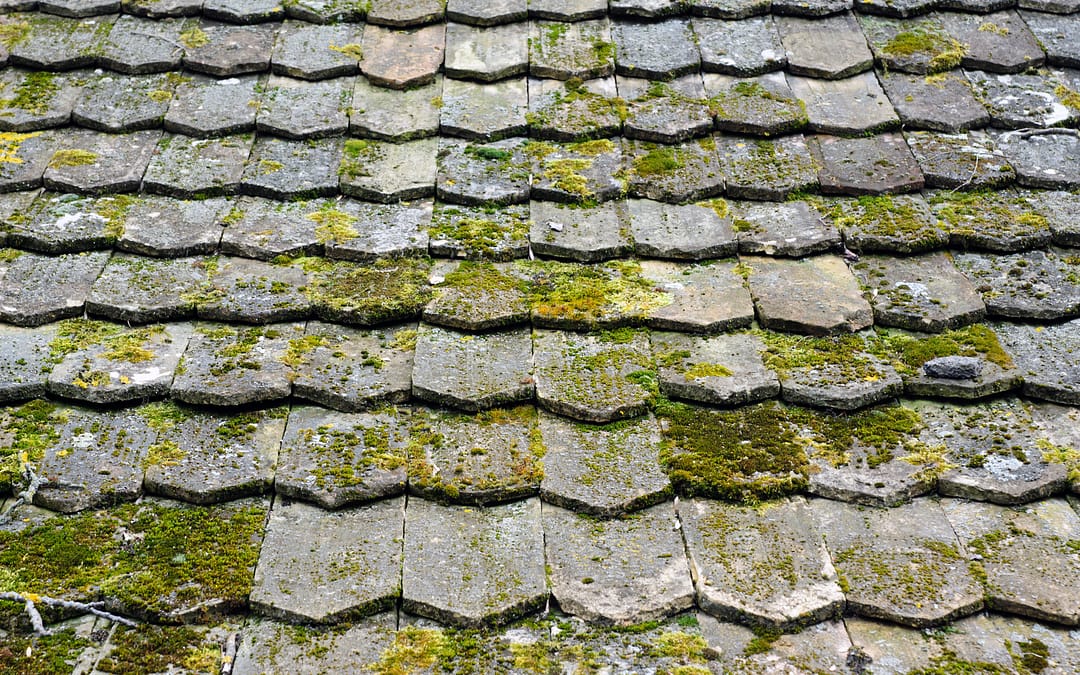
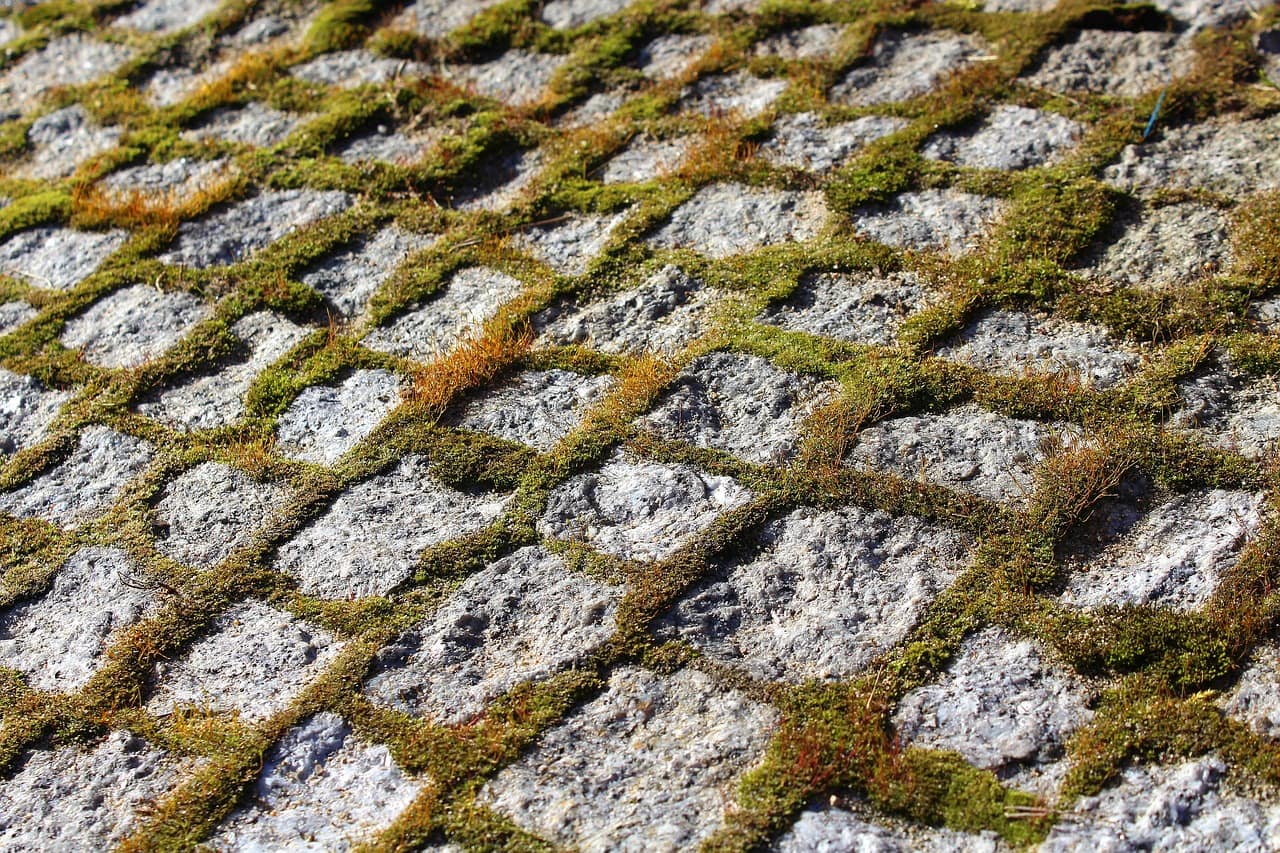
London’s climate, characterized by its dampness and relatively mild temperatures, creates a conducive environment for moss growth. The frequent rains and overcast skies ensure that surfaces often remain moist, providing ideal conditions for moss spores to settle and thrive. Particularly during autumn and winter, when temperatures are cool but not freezing, moss can proliferate unchecked on various outdoor surfaces, from roofs to walkways and garden walls.
Moss thrives in areas that are not only moist but also shaded. In urban settings like London, buildings often cast significant shadows, reducing sun exposure which further promotes moss growth. The city’s many historic and older buildings with porous materials like brick and stone also tend to retain moisture, making them particularly susceptible to moss invasion. Understanding these growth habits is crucial for effectively targeting and managing moss-related issues.
The presence of moss is not just an aesthetic concern but can also indicate broader environmental conditions that need addressing. For instance, heavy moss accumulation might suggest poor drainage or excessive shade, which could affect other aspects of a property’s upkeep and integrity. Recognising these factors helps in creating a more comprehensive approach towards moss management and property maintenance.
Assessing the Impact of Moss on Property
Moss can significantly impact both the structural integrity and aesthetic value of a property. Moss absorbs and retains moisture on roofing materials, which can lead to rot and degradation of roofing tiles, especially in older properties. Over time, this moisture retention can cause serious damage, such as leaks or even structural failure in extreme cases. Similarly, moss growth on pavements and driveways can create a slip hazard, particularly when wet, posing a risk to safety.
From an aesthetic viewpoint, unchecked moss growth can lead to a neglected appearance, potentially lowering a property’s market value and curb appeal. For businesses, this can deter potential customers, impacting commercial success. In residential areas, extensive moss can reduce the visual appeal and potentially affect neighbourhood property values.
It’s important for property owners to regularly inspect their premises for signs of moss and assess its impact. By understanding the extent of moss growth and its potential repercussions, property owners can prioritize removal strategies and maintain both the appearance and safety of their property.
Choosing the Right Tools for Moss Removal
Effective moss removal begins with selecting appropriate tools. For small areas and light growth, a stiff brush or handheld scraper can be effective. These tools allow for targeted removal without damaging the underlying surface. For larger areas or more stubborn growth, a pressure washer may be required. This tool can quickly clear extensive moss, but it should be used carefully to avoid damaging the surface material, especially on historic properties.
Chemical moss killers are available and can be useful, particularly on roofs where physical removal is challenging. These products generally contain biocides that kill moss, but they must be chosen and applied carefully to avoid harm to other plant life and to comply with local environmental regulations. Always select products specifically designed for the type of surface you are treating to prevent damage.
For an integrated approach, specialised moss removal tools, such as long-handled brushes or extendable scrapers, can facilitate the removal process, particularly on uneven surfaces or hard-to-reach areas. Using the right tools not only enhances efficiency but also ensures that the removal process does not inadvertently damage the property.
DIY Moss Removal Techniques Explained
For those preferring to tackle moss removal themselves, several effective DIY techniques can be employed. Firstly, manual scraping and brushing off moss is straightforward and environmentally friendly, suitable for removing moss from hard surfaces like sidewalks and driveways. After scraping, it’s advisable to wash the area with a hose to clear any remaining debris.
Another common DIY method involves the use of diluted vinegar. Spraying a mixture of vinegar and water directly onto the moss can kill it, making it easier to scrape away. This method is particularly effective on roofs and walls, but care should be taken to ensure the vinegar solution does not damage plant life or discolour materials.
For preventative care, introducing copper strips near roof ridges can be an effective long-term strategy. Rainwater washes copper ions down the roof, creating an environment that discourages moss growth. This technique requires some initial setup but can significantly reduce the frequency of moss removal needed.
Professional Moss Removal Services in London
For those who prefer a hands-off approach or face severe moss infestations, professional moss removal services are available in London. These services offer the advantage of expert knowledge and access to industrial-grade equipment and products. Professionals can assess the extent of the moss problem, identify the underlying causes, and select the most effective treatment methods, which might include specialised chemicals or advanced mechanical tools.
Professional services also ensure that moss removal is conducted in a safe and environmentally responsible manner. They are familiar with local regulations regarding chemical use and disposal, and they can advise on the best practices to prevent future growth. This is particularly important for large or delicate properties, where DIY methods might be impractical or risky.
Moreover, opting for a professional service can be cost-effective in the long run. Professionals can perform the task quickly and efficiently, reducing the risk of damage to the property and preventing future issues, thereby saving on more expensive repairs and maintenance down the line.
Preventative Measures to Deter Moss Growth
Preventing moss growth is often more manageable and cost-effective than addressing it after it has occurred. Maintaining proper drainage is critical; water should not be allowed to stand on surfaces, as stagnant water promotes moss growth. Ensuring gutters and downspouts are clean and functional can prevent water accumulation and moss formation on roofs and walls.
Another effective preventative strategy is to increase sunlight exposure. Trimming overhanging branches or rearranging the landscape to allow more light can naturally inhibit moss growth. For properties inherently prone to shade and moisture, installing UV or heat lamps in critical areas might be a viable option, although this should be done considering energy consumption and environmental impact.
Regularly cleaning surfaces also plays a crucial role in preventing moss accumulation. Periodic washing of roofs, sidewalks, and walls removes the initial stages of moss growth before it becomes visible and more challenging to manage. Implementing a routine cleaning schedule can significantly reduce the likelihood of moss problems developing.
Eco-Friendly Options for Moss Management
In recent years, there has been a growing emphasis on eco-friendly moss management solutions. One popular method is the use of bioactive treatments that involve natural or organic compounds that are less harmful to the environment compared to traditional chemical treatments. These solutions often involve plant-based acids or microbial treatments that naturally break down moss without harming other plant life.
Physical removal methods, such as brushing or scraping, are inherently eco-friendly as they involve no chemicals and minimal disturbance to the surrounding area. For ongoing maintenance, these methods can be very effective when combined with regular cleaning and environmental management strategies.
Collecting rainwater and controlling its flow can also be an eco-friendly way to manage moss. By designing a landscape that strategically directs rainwater away from vulnerable surfaces, property owners can significantly reduce moss growth while also managing water resources more sustainably.
Long-Term Strategies for a Moss-Free Property
For long-term moss management, a combination of regular maintenance, structural adjustments, and proactive landscaping is essential. Regular inspections and maintenance ensure that potential moss growth is addressed before it becomes extensive, saving time and money in the long run. Implementing changes such as improving building ventilation, increasing sunlight exposure, and altering water flow can create conditions that are less favourable for moss growth.
Adopting landscaping designs that consider moss prevention can also be beneficial. Using moss-resistant materials for paths and driveways, or selecting ground covers that compete with moss, can naturally keep the growth at bay. Additionally, integrating smart garden solutions like drip irrigation systems can help maintain the balance of moisture needed to deter moss without overwatering.
Ultimately, the best strategy for maintaining a moss-free property in London involves a tailored approach that considers the specific conditions and needs of the property. By combining immediate removal techniques with long-term preventative strategies, property owners can effectively manage moss and maintain the health and appearance of their investment.