

The Emergence of Loft Conversions in Hackney
In the heart of East London, a rising trend is transforming the district’s skyline. The charm and practicality of loft conversions in Hackney are gaining momentum, as homeowners and property developers alike appreciate the value and versatility of these spaces. Historically, lofts were overlooked spaces, used mainly for storage. Now, they are being brought to life as stylish, functional living or working spaces, reflecting the evolving architectural landscape of the borough.
Hackney, once a bastion of affordable housing, has seen property values surge over the past decade. Residents are therefore keen to maximise their existing space, rather than move. The loft conversion trend is, in part, a creative response to this situation, providing an ingenious solution to spatial limitations in urban homes.
Moreover, the changing lifestyle of Hackney’s residents has played a significant role in the emergence of this trend. The advent of remote working, a burgeoning artistic community, and a move towards flexible living spaces have all contributed to the rise of loft conversions. Homeowners are increasingly recognising the potential of these underused spaces and transforming them into bespoke solutions for their unique needs.
Understanding the Popularity of Loft Transformations
The popularity of loft conversions in Hackney can be attributed to several factors. First and foremost, it is an incredibly cost-effective way to add significant value to a property. The addition of a new room or suite can increase the value of a property by up to 20%.
Secondly, loft conversions offer a solution to the challenge of urban living, where space is at a premium. Rather than moving to a larger property or extending ground-floor living areas, homeowners can build upwards. This allows them to make the most of their existing space, while minimising disruption to their daily lives during construction.
Lastly, these transformations serve as a creative outlet for homeowners, allowing them to customise their homes to suit their individual needs. Whether it’s a home office, a playroom for the kids, a guest suite or a private retreat, loft conversions offer limitless possibilities for personalisation.
Adapting Spaces: The Versatility of Loft Conversions
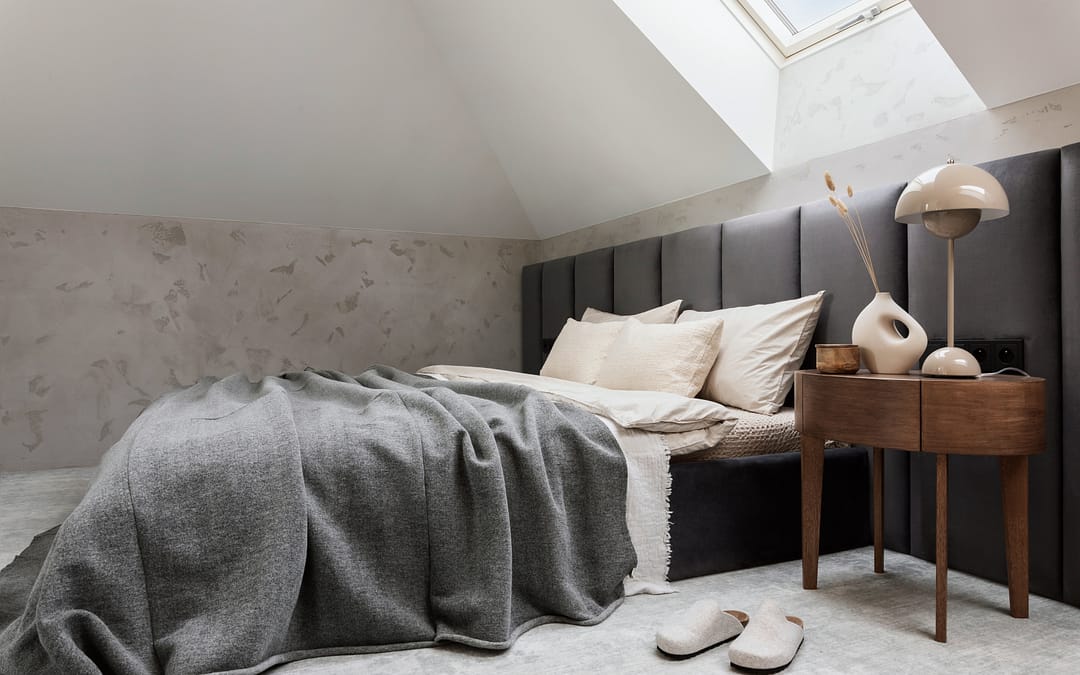
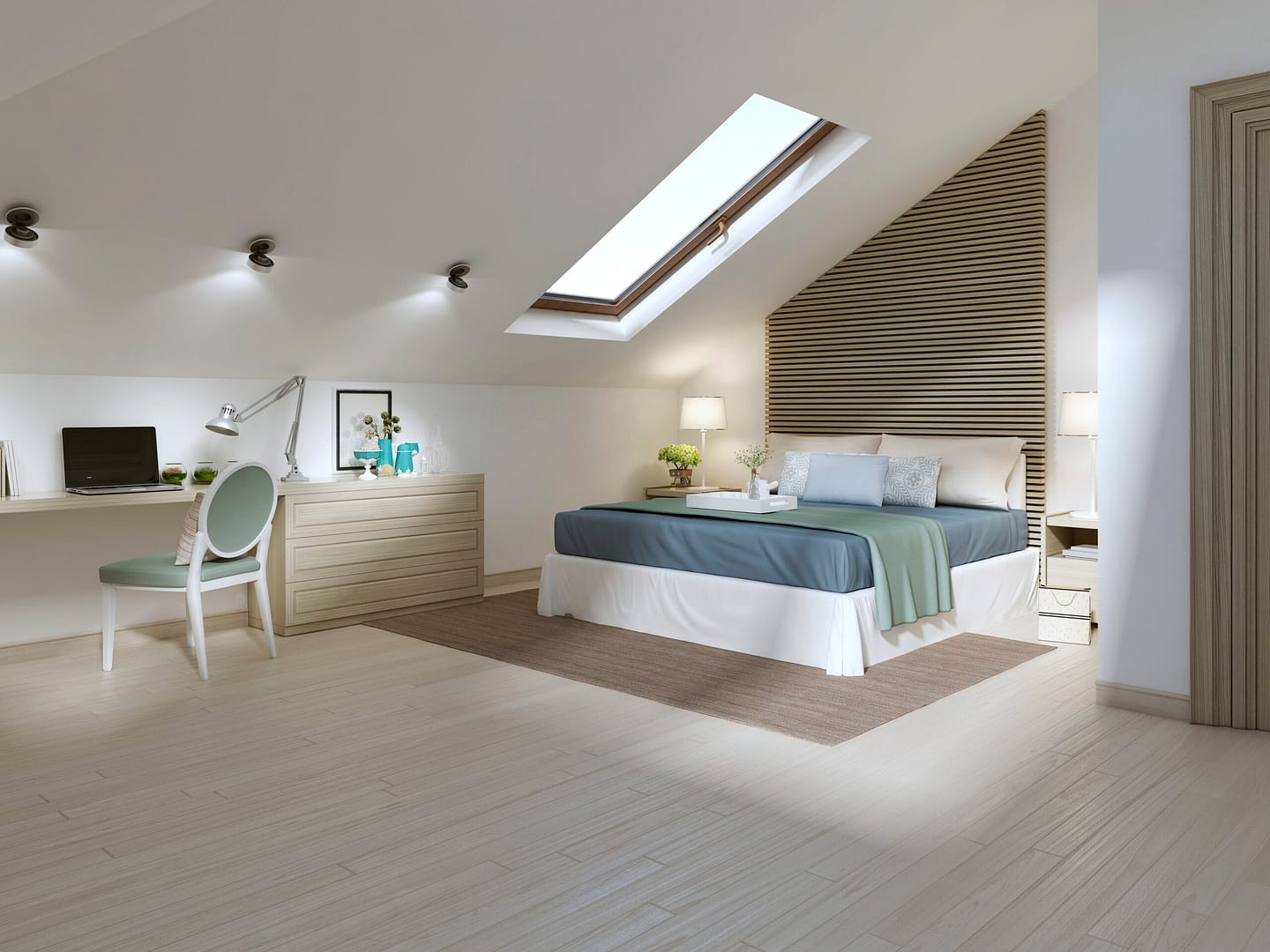
One of the great advantages of loft conversions is their versatility. The possibilities are limited only by the homeowner’s imagination and the structural constraints of the building. Whether it’s a bright and airy home office with skylights, a cosy guest bedroom, or a creative studio with inspiring city views, a loft conversion can be adapted to suit a limitless array of purposes.
Another aspect of their versatility is their capacity for future adaptation. As needs and lifestyles change, so too can the function of a loft conversion. What once served as a playroom can easily be converted into a teenager’s bedroom, a home gym, or a home cinema, for example.
The versatility of loft conversions also extends to their design. From minimalist and modern to rustic and cosy, the design possibilities are almost endless. Homeowners can choose to match the style of their loft conversion with the rest of their house, or use it as an opportunity to experiment with a completely different aesthetic.
The Economic Benefits of Loft Conversions in Hackney
From a financial perspective, loft conversions are an incredibly shrewd investment. They can significantly boost the value of a property, potentially offering a return on investment of up to 70%. Furthermore, compared to other types of home improvements such as extensions or conservatories, loft conversions often require less structural work and therefore can be less costly to implement.
Aside from increasing property value, loft conversions can also provide homeowners with an opportunity to generate additional income. By creating a self-contained living space, homeowners can rent it out, providing a regular source of income.
Lastly, loft conversions can help to improve the energy efficiency of a property. By adding insulation and double-glazed windows, homeowners can reduce their heating bills and their carbon footprint, making their homes more eco-friendly.
Case Studies: Successful Loft Transformations in Hackney
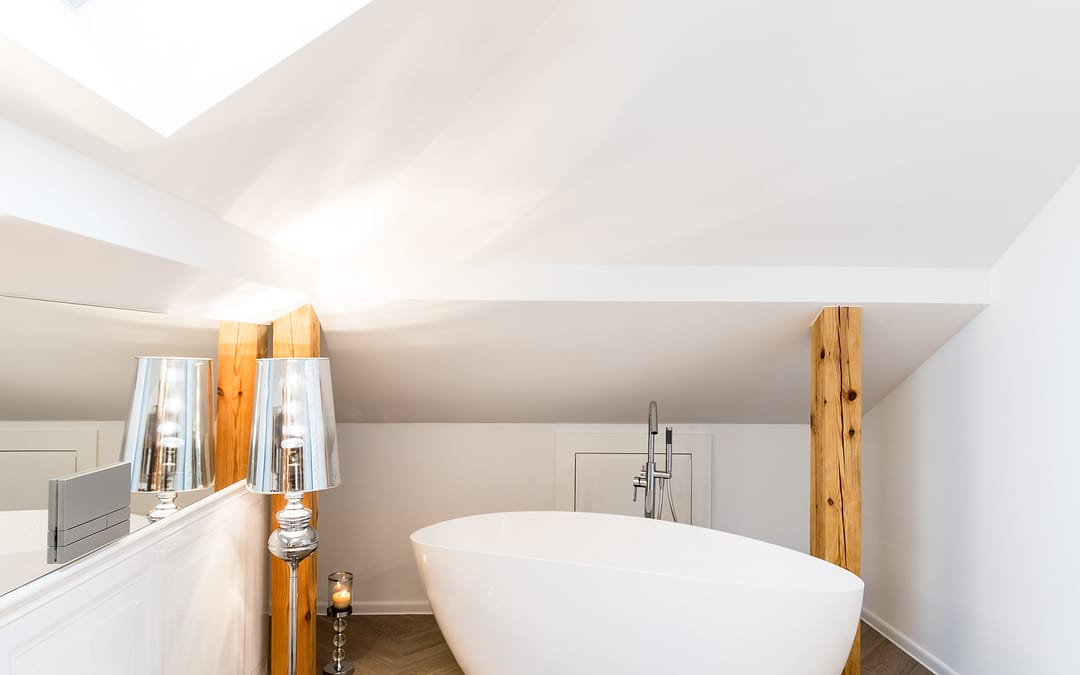
Across Hackney, many successful loft transformations illustrate the potential of this trend. One such example is a Victorian terraced house where the loft was transformed into a spacious, light-filled bedroom with an en-suite bathroom. This conversion not only added significant value to the property but also improved its energy efficiency.
In another instance, a small flat in a converted warehouse had a cramped and unused loft space transformed into a sleek and modern home office. The homeowner, a freelance graphic designer, now has a dedicated workspace with stunning views over the city, significantly enhancing their work-from-home experience.
Another standout example is a period property where the loft was converted into a self-contained flat. The homeowners now benefit from rental income, whilst also providing much-needed housing in the area. These case studies serve as a testament to the possibilities of loft conversions in Hackney.
Navigating the Planning and Building Regulations
While loft conversions offer many benefits, homeowners need to navigate through planning and building regulations. Most loft conversions fall under permitted development rights, which means a planning permission is not needed. However, if the conversion involves altering the roof height or shape, planning permission may be required.
Building regulations are another crucial aspect of any conversion. These ensure the structure, fire safety, insulation, and ventilation standards are met. It’s always advisable to hire an architect or a loft conversion specialist to ensure compliance with these regulations.
Moreover, if the property is a terraced house or semi-detached, a Party Wall Agreement may be required. This ensures that any work carried out will not negatively impact adjoining properties. Understanding and complying with these regulations is key to a successful loft conversion.
Expert Tips for a Smooth Loft Conversion Process
Planning a loft conversion can be an exciting but daunting process. Consulting with an architect or a loft conversion specialist early on can save a lot of time and avoid potential pitfalls. They can provide essential guidance on design possibilities, structural requirements, and regulatory compliance.
Another key tip is to consider the practicality of the space. Think about access, lighting, and ventilation. A well-designed space should be functional, comfortable, and meet the needs of its occupants. Also, consider the impact on the rest of the house. Will it require alterations to the existing layout? How will it affect the house’s energy efficiency?
Budgeting is another crucial aspect. Make sure to factor in costs for planning permission, structural changes, insulation, and interior finishes. It’s also advisable to include a contingency budget for any unforeseen expenses that may arise during the conversion process.
Future Trends: The Evolution of Loft Conversions in Hackney
Loft conversions in Hackney show no signs of slowing down. As property values continue to rise and the demand for space remains high, loft conversions will continue to be a popular choice for homeowners. As eco-friendliness and sustainability gain more importance, we can expect to see more conversions incorporating green features such as solar panels and rainwater harvesting systems.
Advancements in technology and construction techniques will also influence the evolution of loft conversions. Digital design tools and 3D modelling can help homeowners visualise their new space, while modern materials and techniques can improve the efficiency and speed of the conversion process.
Finally, the ongoing shift towards remote working is likely to see more lofts converted into home offices. As our homes continue to adapt to our changing lifestyles, loft conversions offer a flexible and creative solution to our spatial needs. From Hackney to beyond, the trend for loft conversions is set to continue its transformative journey.